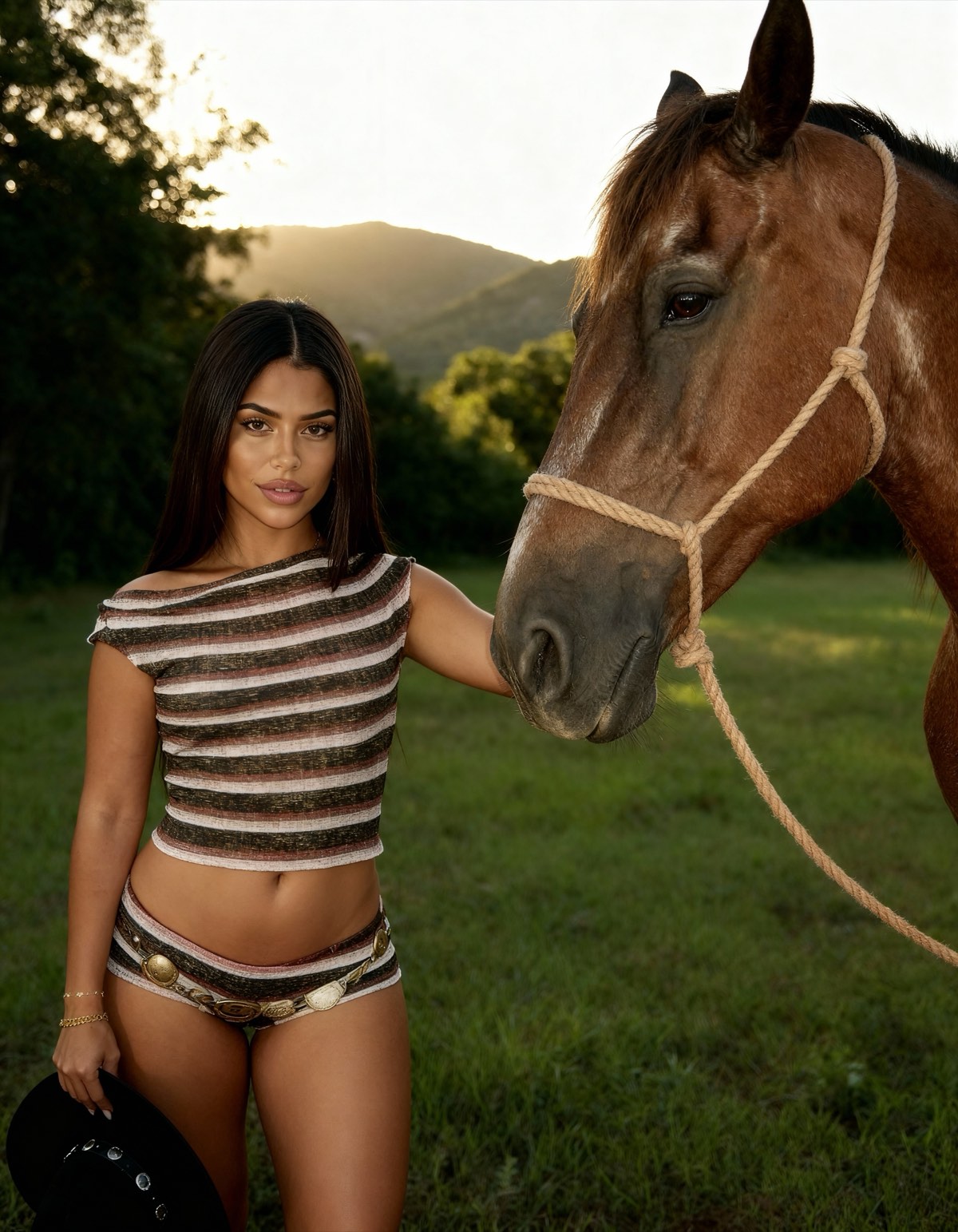
In 2010, Vogue's September issue weighed 4.9 pounds and contained 916 pages of aspirational fashion content that defined beauty standards for millions. Anna Wintour was the undisputed queen of cultural influence, and what appeared on those glossy pages became gospel for what was beautiful, desirable, and trendy.
Fast forward to 2025, and something seismic has shifted. That same September issue now averages 300 pages. Vogue's print circulation has plummeted from 1.2 million to under 600,000 - a 54% decline. Meanwhile, OnlyFans creators collectively reach over 210 million subscribers worldwide, setting beauty trends that traditional magazines scramble to cover months later.
The cultural authority hasn't just moved - it's been democratized. And the implications are more radical than anyone predicted.
The Fall of Fashion's Gatekeepers
For decades, fashion magazines operated as cultural gatekeepers. A handful of editors in New York, Paris, and Milan decided what beauty looked like. They chose which faces graced covers, which bodies appeared in editorials, and which aesthetic was "in" each season.
The power structure was rigid and exclusive: designers chose models, editors chose which designers to feature, and readers consumed whatever narrative was presented to them. There was no feedback loop, no democracy, no direct connection between the women creating trends and the women following them.
| Metric | Traditional Fashion Media (2010) | Traditional Fashion Media (2025) | Change |
|---|---|---|---|
| Vogue Print Circulation | 1,200,000 | 550,000 | -54% |
| Average Issue Page Count | 916 pages | ~300 pages | -67% |
| Ad Revenue (Industry-wide) | $24.1 billion | $8.3 billion | -66% |
| Under-30 Readership | 42% | 18% | -57% |
Then came the internet, and gradually, then suddenly, the gates came crashing down. Instagram gave individuals the ability to build audiences. YouTube created beauty influencers. And OnlyFans completed the revolution by giving creators full economic control over their content and image.
The Rise of Creator-Controlled Beauty Standards
OnlyFans represents something fashion magazines could never offer: unfiltered, direct access to real women building their own beauty narratives. No editor curating their message. No brand manager softening their edges. No art director photoshopping them into unrecognizable perfection.
What emerged was radical in its authenticity. Stretch marks aren't airbrushed away - they're celebrated. Cellulite exists in photos. Bodies come in shapes that would never make it past a traditional casting call. And subscribers aren't just accepting these "imperfections" - they're actively seeking them out.
Real Example: Creator @AvaRealistic built a six-figure OnlyFans following specifically by showcasing her size 14 body with zero editing. Her most popular content? "What Vogue would photoshop out" comparison posts. Her subscriber retention rate is 78% - far above the 55% platform average - because fans feel they're seeing someone real.
This shift toward authenticity isn't just philosophical - it's economic. The creator economy is now valued at $104 billion, while traditional publishing ad revenue has cratered to $8.3 billion. Money flows where attention goes, and attention has decisively moved toward creators who look, speak, and feel like actual humans rather than computer-generated ideals.
Authenticity vs. Curated Perfection: The Culture War
The tension between OnlyFans authenticity and magazine perfection represents a deeper cultural battle over who gets to define beauty.
Traditional fashion magazines sold aspiration - images so perfectly lit, styled, and edited that they existed in a realm beyond reality. The implicit message was: "This is what you should want to look like, even though it's impossible."
OnlyFans flipped the script entirely. The message became: "This is what I actually look like, and that's what makes it valuable." Perfection became boring. Authenticity became aspirational.
"For the first time in my life, I'm making money from looking like myself, not like what someone else wants me to be. That's power fashion magazines can't touch." - Maya Chen, OnlyFans Creator
This authenticity extends beyond body image. OnlyFans creators control their narratives entirely - discussing mental health, financial struggles, relationship dynamics, and personal philosophies without a publicist sanitizing their message. Fashion magazines, constrained by advertiser relationships and corporate ownership, can never offer that level of genuine connection.
Trend Flow Reversal: When Creators Lead
Perhaps the most telling indicator of this cultural shift is where trends originate now.
In 2010, trends flowed top-down: Paris runway to Vogue editorial to high-street retailer to consumer. Now, trends flow from creators to their communities, eventually being "discovered" and legitimized by traditional media months later.
Case Study: The "coastal grandmother" aesthetic that dominated 2023 fashion coverage? It originated with TikTok and OnlyFans creators sharing their relaxed, linens-and-natural-beauty content in early 2022. Vogue published their trend piece seven months later. The same pattern played out with "vanilla girl," "clean girl," and "mob wife" aesthetics - all creator-originated, magazine-documented.
Fashion magazines have become cultural historians rather than cultural creators - documenting what's already happening in creator communities rather than dictating what should happen next.
The Democratization of Beauty
The most profound impact of this shift is democratization. Beauty standards are no longer decided by a Manhattan conference room. They're negotiated daily through direct feedback loops between creators and their audiences.
If subscribers engage with curvy content, that signals value. If they pay premium prices for natural, unedited photos, that defines desirability. The market directly votes on what it finds beautiful, and creators respond in real-time.
This has led to an explosion of diverse beauty standards coexisting simultaneously:
- Body diversity: Successful creators at every size, from petite to plus-size to muscular
- Age diversity: 40+ and 50+ creators building massive followings in a space traditionally dominated by youth
- Aesthetic diversity: Girl-next-door, alt/goth, athletic, glamorous, minimal - all thriving simultaneously
- Ethnic diversity: Creators celebrating features traditional media historically erased or exoticized
Fashion magazines, constrained by advertiser expectations and demographic targeting, could never accommodate this level of diversity. OnlyFans, powered by niche audience building, thrives on it.
Why Fans Prefer Real Over Polished
The psychological shift underlying all of this is fascinating. Why do subscribers actively prefer authentic, unedited content over professionally produced magazine imagery?
Research suggests three key factors:
1. Relatability drives connection. You can't connect with perfection - it exists too far outside lived experience. But you can connect with someone whose body looks attainable, whose life feels familiar, whose struggles mirror your own.
2. Trust requires transparency. When you know an image has been edited, color-corrected, and approved by six people, you trust it less. When a creator posts a mirror selfie with visible laundry in the background, you trust it more. That trust converts to loyalty and spending.
3. Participation beats observation. OnlyFans allows direct interaction - requests, custom content, conversations. Fashion magazines offer one-way consumption. The participatory model creates investment that passive reading never could.
The Data: Studies show that 73% of Gen Z consumers trust "authentic" influencer content more than brand advertising. That number drops to 42% for professionally produced traditional media content. Trust directly correlates with willingness to spend money.
The Economic Reality Check
Beyond cultural influence, the economics tell an unmistakable story. The top 100 fashion magazines combined generate approximately $2.1 billion in annual revenue. The top 1% of OnlyFans creators (approximately 21,000 people) generate over $2.8 billion annually - and keep 80% of it rather than handing it to publishers, advertisers, and corporate shareholders.
Individual creators now wield economic power that rivals entire media companies. When a top creator posts content, she's reaching audiences comparable to mid-tier magazine circulation - except she owns the relationship, controls the message, and keeps the revenue.
What This Means for the Future
The shift from Vogue to viral isn't temporary or trendy - it's structural. Cultural authority has permanently fragmented from centralized institutions to distributed creators.
This doesn't mean fashion magazines will disappear entirely. But their role has fundamentally changed from cultural dictators to cultural curators - attempting to identify and amplify what's already bubbling up from creator communities rather than decreeing what should be.
For creators, the implications are profound: You're not fighting against traditional beauty standards anymore. You're creating new ones. Your authenticity isn't a limitation - it's your competitive advantage. And the cultural authority you're building has real economic value that compounds over time.
The revolution wasn't televised. It was posted, unfiltered and unapologetic, by women who decided their own definition of beauty mattered more than anyone else's.